Nightly Rest
Sleep is a natural part of the daily cycle. Some people find that allowing enough time for rest helps them feel more prepared for the following day.
General information about how consistent rest may relate to daily energy, focus, and routine. Content is for educational purposes only.
Many people in Australia explore how rest habits may relate to how they feel and function during the day. The following is general lifestyle information only.
Sleep is a natural part of the daily cycle. Some people find that allowing enough time for rest helps them feel more prepared for the following day.
Rest is commonly discussed in relation to concentration and memory. Individual responses to sleep habits vary widely.
A regular sleep schedule is one factor some people consider when thinking about mood and daily stress. Results differ from person to person.
Many readers notice a personal link between how they sleep and how alert they feel during the day. This is general lifestyle information and not a promise of any specific outcome.
Some people choose to follow a regular sleep schedule as part of their daily routine. What works for one person may not work for another.
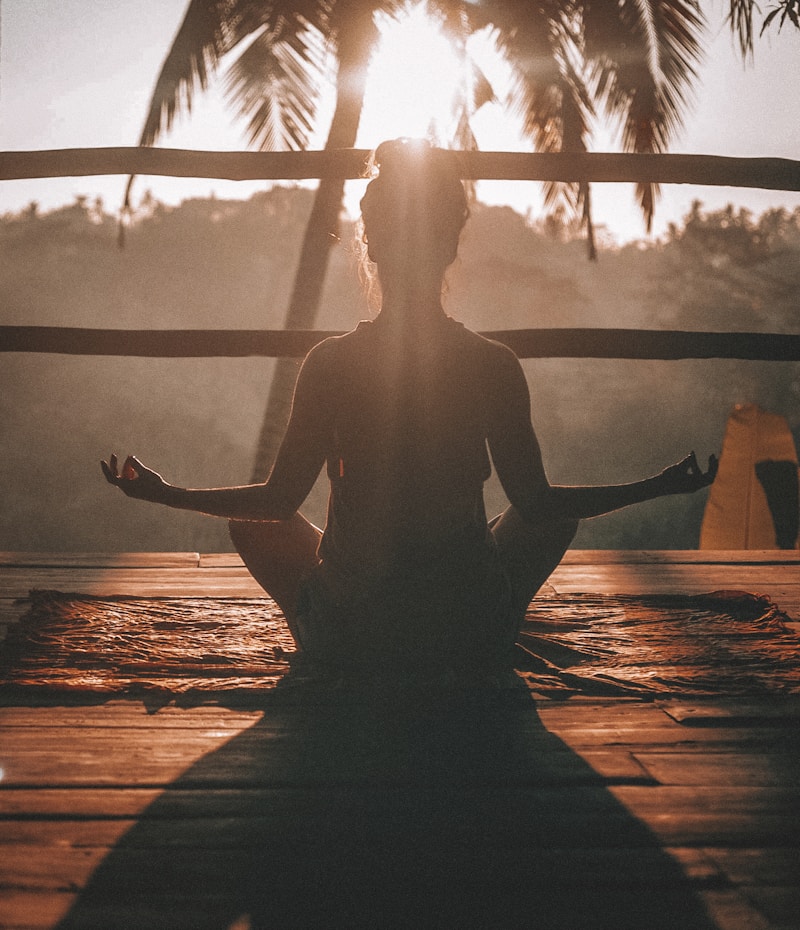
From coastal mornings in Byron Bay to busy urban schedules, readers across New South Wales and Australia may face different routine challenges.
Warm evenings and early sunrises can shift sleep timing. Some people use light-blocking curtains and consistent wake times as part of their routine.
Outdoor activity is part of many Australian lifestyles. Morning sunlight is one factor some people consider when planning their day.
Flexible work hours and social plans can change routines. A wind-down period before bed is one approach some readers find helpful.
Daylight saving and seasonal shifts affect sleep patterns. Gradual schedule adjustments ease transitions.
Activities before bed are a common topic in sleep-related lifestyle content. The suggestions below are general ideas only.
Dim household lights and reduce stimulating activities. Consider gentle stretching or reading instead of screens.
Avoid heavy meals and caffeine. Prepare your bedroom by lowering temperature and removing distractions.
Practice relaxation techniques such as deep breathing or a warm shower to signal your body that rest is approaching.
Morning routines are often discussed in relation to daily energy. These are general lifestyle suggestions, not personalised advice.
Some people step outside within the first hour of waking as part of their morning routine. Individual preferences vary.
Drinking water after waking is a simple habit some readers include in their morning. Pairing it with a balanced meal is a personal choice.
Light activity such as walking or stretching is one option people explore as part of a morning routine. Choose what feels appropriate for you.
Bedroom setup is a common topic in lifestyle content. The figures below are general reference points, not rules or fixed outcomes.
Browse general educational articles about sleep habits and daily energy written for readers in Australia.
General information about sleep stages, bedtime routines, and ideas for building a consistent rest pattern.
Read Sleep Habits GuideGeneral information about how rest may relate to daily alertness and routine planning throughout the day.
Read Daily Energy GuideThe comments below reflect personal reading experiences. They are not endorsements and do not describe specific results.
The evening routine article gave me practical ideas I could consider at my own pace.
Ballina, NSW
I appreciated the straightforward information about morning habits without any pushy suggestions.
Lismore, NSW
A useful overview of sleep and energy topics that felt relevant to coastal living near Byron Bay.
Mullumbimby, NSW
The information provided on this website is intended for general informational and educational purposes only. It does not constitute professional medical advice and should not be considered a substitute for consultation with qualified professionals.
All content reflects general topics related to lifestyle, personal well-being, and everyday habits. Individual experiences may vary.
Before making any changes to your daily routine or lifestyle, it is recommended to consider your personal circumstances and, if necessary, seek assistance from a qualified specialist.
This website does not provide diagnosis, treatment, or personalized recommendations.
We respect your privacy. By using this site, you acknowledge our data practices described in the Privacy Policy. You can manage cookie preferences at any time.
Read Privacy Policy